
Meet Sara
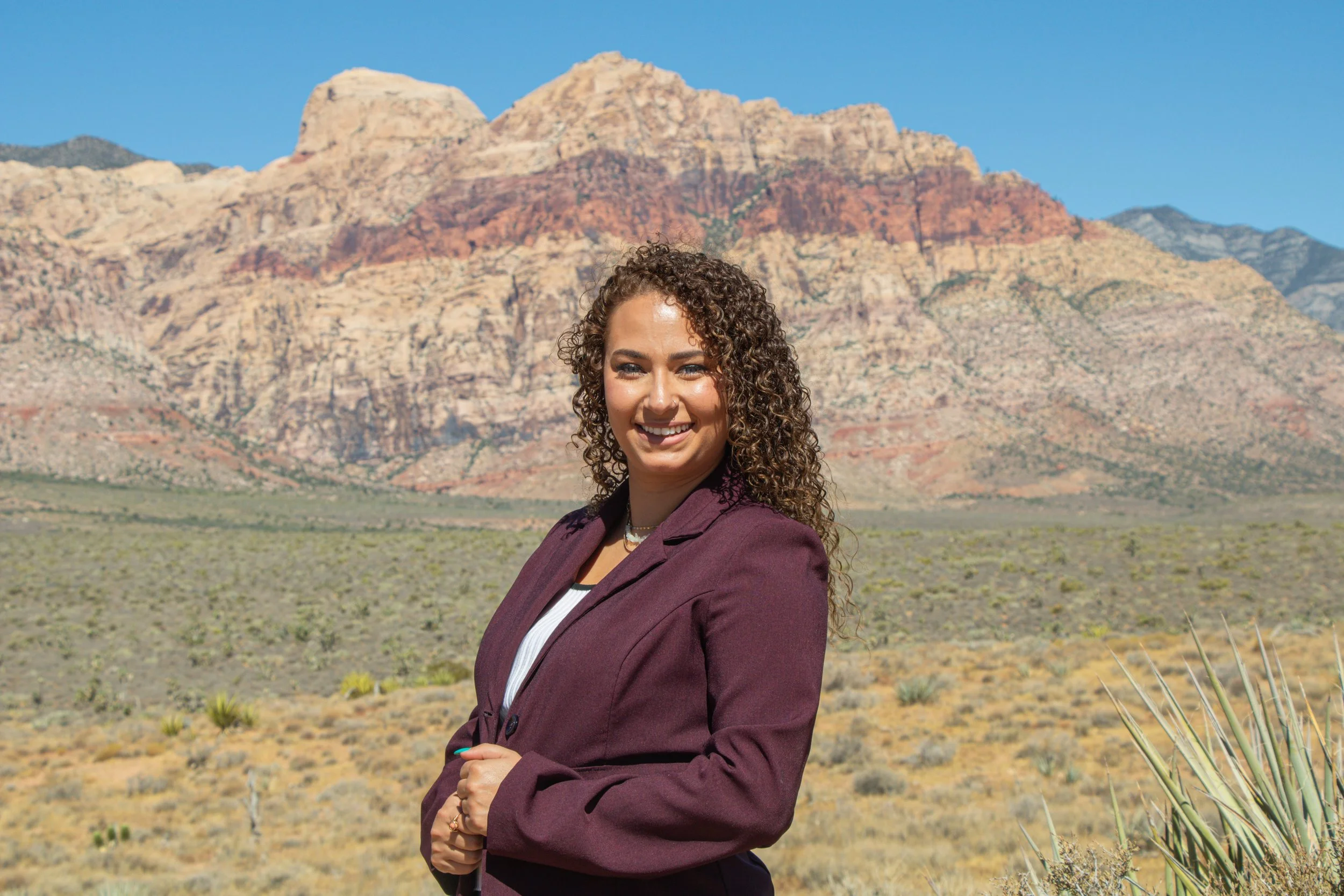
How I Came to This Work
Long before I became a therapist, I knew I wanted to help people. I have always had a tendency to look beyond what someone was doing and wonder what might be happening underneath it. Even growing up, I often found myself seeing the good in people who others may have been quick to label as the “bad kid.” I believed then, and still believe now, that people usually have reasons for the ways they learn to cope, respond, and survive.
That perspective ultimately led me toward social work.
Early in my education, I became especially interested in addiction and the criminal justice system. I saw how easily people could become caught in systems that responded to behavior without addressing what was driving it, and I became passionate about finding better ways to support people as they rebuilt their lives and reconnected with their communities.
While attending the University of Nevada, Reno, my work gradually brought me closer to the individual people behind those larger systems. During my clinical training, I began providing outpatient therapy while also working with adolescents in the juvenile detention center, including teens experiencing significant emotional distress and placed on suicide watch. I later worked with juvenile drug court, where I helped run a program educating young people involved in the justice system.
It was during those years that I discovered how much I valued working with people one-on-one.
I loved hearing people's stories, understanding how their experiences had shaped them, and creating a relationship where they could feel seen as more than a diagnosis, behavior, mistake, or difficult period in their lives.
That continues to shape the therapist I am today.
During my experience of clinical social work, I have had the opportunity to work with individuals across different ages, backgrounds, life experiences, and mental health concerns. Those experiences have reinforced something I believed before I ever became a therapist: behavior makes more sense when we understand the person and the experiences behind it.
My Approach
The relationship I build with my clients is at the center of my work. I want therapy to feel safe enough that you can gradually become more comfortable being honest about what you are thinking and feeling without worrying about being judged or saying the “right” thing.
My style is warm, inquisitive, affirming, and easygoing. I listen closely, ask questions, and help you notice connections between your emotions, relationships, experiences, and the patterns that may be showing up in your life today.
I also believe therapy should meet you where you are. Sometimes we may spend time processing an emotion or understanding something at a deeper level. Other times, you may need a practical skill for anxiety, communication, boundaries, grounding, or simply getting through a difficult week.
You have a voice in that process. I welcome questions and feedback, and I want us to be able to talk openly about what is and is not feeling helpful.
Therapy does not need to feel stiff or overly clinical to be meaningful. There can be room for humor, personality, curiosity, and real human connection alongside difficult conversations.
Ultimately, my role is not to tell you what direction your life should take. My hope is to help you better understand yourself, feel more grounded in who you are, and reconnect with your ability to make choices that feel right for you.
Nevada is Home
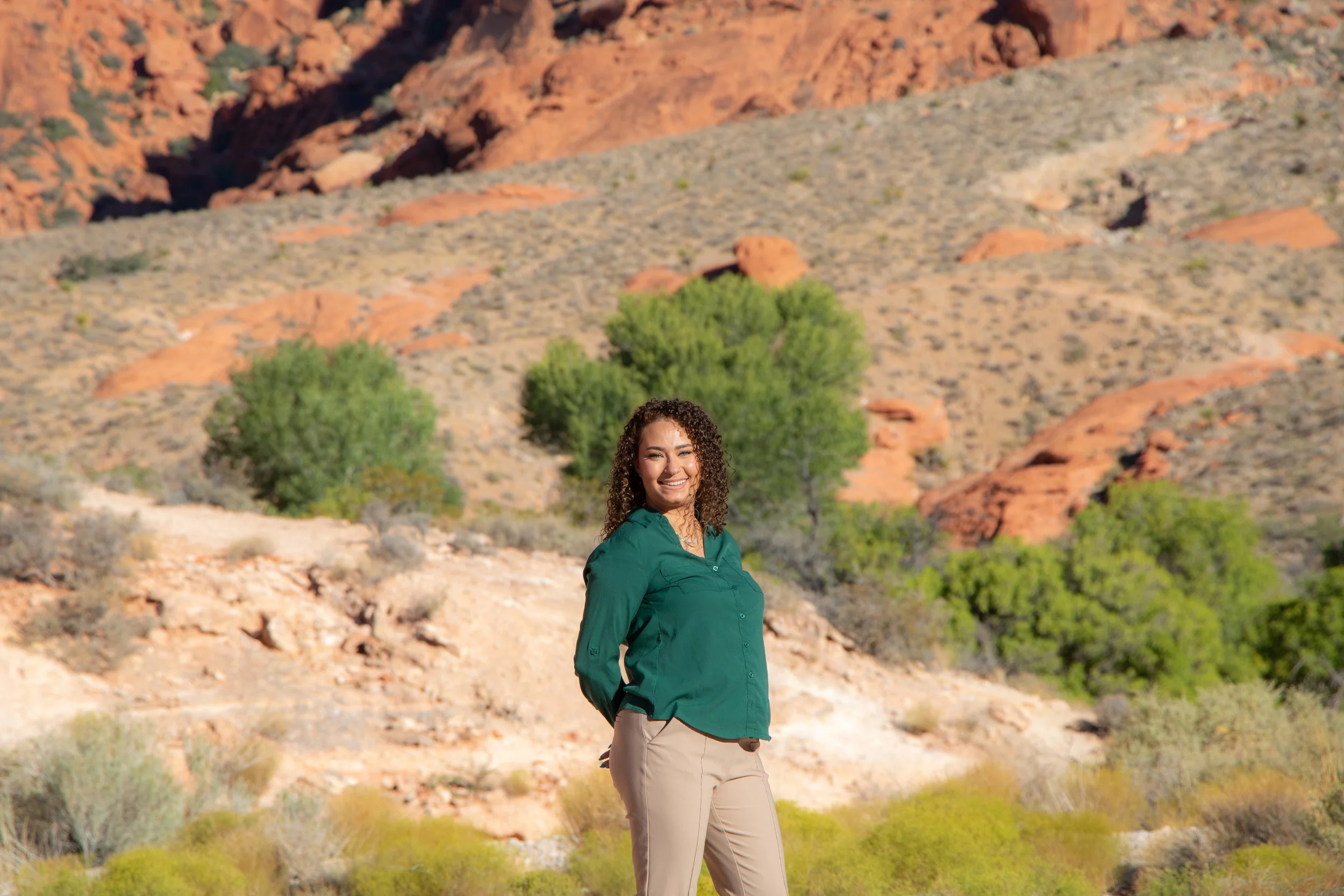
I was raised in Henderson and later attended school in Reno, so Nevada has shaped both my personal and professional life. I have also spent a lot of time traveling throughout rural Nevada, which has given me an appreciation for the different communities, lifestyles, and landscapes across our state.
Outside of the therapy room, I feel most grounded when I'm outside. I enjoy fishing, hiking, snowboarding, riding dirt bikes, traveling, and spending time with my family and friends.
Nature gives me a chance to step away from the noise of everyday life, slow things down, and reconnect with what matters to me.
That feeling helped inspire Inner Compass Therapy.
Life can become noisy too. Anxiety, relationships, difficult experiences, expectations, and major changes can make it harder to hear your own voice or trust what you are feeling.
I don't believe therapy is about giving you a map or telling you which direction to take. Instead, it can give you a safe place to understand where you've been, make sense of where you are, and reconnect with your own sense of direction.
Reconnect with your inner compass.
And, in time, learn to trust where it leads.